

Cataract Surgery Services

Advanced Eye Surgery for Complex Vision Needs
Desert Vision Surgery provides specialized ophthalmic procedures for patients who need more than routine eye care. Led by Dr. Keith Tokuhara, our physician-led surgery center focuses on complex cataract surgery, lens repair, glaucoma procedures, anterior segment surgery, traumatic eye reconstruction, and retina-supportive surgical planning.
Our goal is to give patients and referring physicians a trusted destination for advanced surgical care in Rancho Mirage and the greater Coachella Valley.

Specialized Surgical Services
Not every cataract or eye surgery is straightforward. Some patients have prior retina surgery, silicone oil history, glaucoma, eye trauma, unstable lens implants, weak lens support, or other anatomical challenges that require advanced surgical planning.
Desert Vision Surgery was created to support these cases in a setting built specifically around ophthalmic surgery, surgical precision, and patient comfort.
Our goal is to provide a calm, highly organized surgical environment where complex cases can be evaluated carefully, planned thoughtfully, and treated with the attention they deserve.
Cataract Surgery
Routine and Complex Cataract Surgery
Cataract surgery removes the cloudy natural lens of the eye and replaces it with a clear intraocular lens implant. For many patients, this procedure is straightforward and can significantly improve vision, reduce glare, and restore clarity.
However, not every cataract case is routine. Some patients have additional risk factors that can make surgery more complex, including prior eye surgery, trauma, glaucoma, retina conditions, weak lens support, or complicated anatomy.
At Desert Vision Surgery, cataract surgery is approached with careful evaluation, advanced planning, and attention to the full health of the eye.
- Prior retina surgery
- Prior vitrectomy
- Silicone oil history
- Glaucoma
- Weak lens support
- Trauma
- Small pupils
- Dense cataracts
- Diabetic eye disease
- Macular degeneration
- Previous surgical complications
Surgical Planning Matters
In complex cataract surgery, the cataract is only one part of the picture. The surgeon must also consider the retina, eye pressure, lens stability, prior procedures, healing factors, and the patient’s long-term eye health.
Because Dr. Tokuhara is retina fellowship-trained, Desert Vision Surgery brings a broader perspective to cataract cases involving retinal disease, previous retina surgery, or other complicating factors.

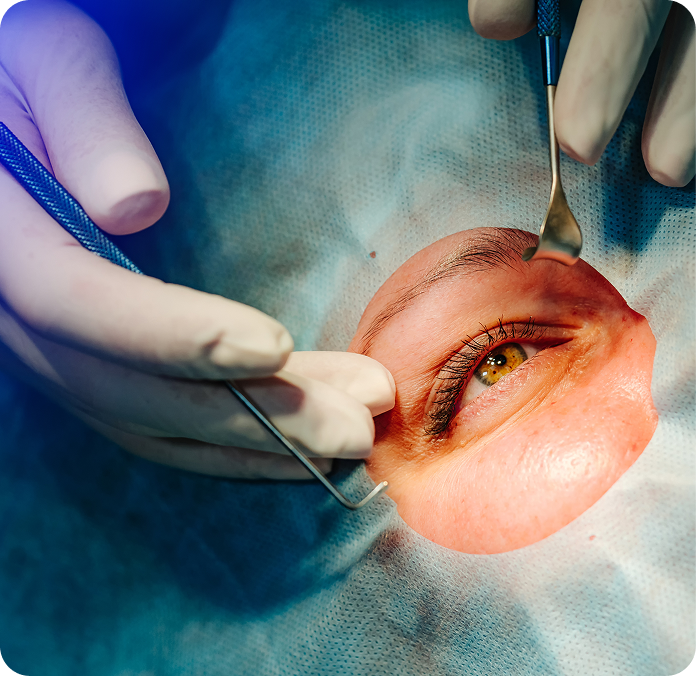
IOL Revision and Secondary Lens Surgery
Dislocated Lens Implant Repair
An intraocular lens implant, or IOL, is the artificial lens placed during cataract surgery. In some patients, the lens implant may shift, become unstable, or move out of position over time.
A dislocated or unstable lens implant can cause blurred vision, glare, double vision, visual distortion, or a noticeable change in vision quality. These cases require careful evaluation to determine whether the lens can be repositioned, stabilized, exchanged, or replaced.
Desert Vision Surgery provides advanced care for patients with displaced or unstable lens implants.
Secondary IOL Fixation
Secondary lens surgery may be needed when a patient does not have adequate support for a standard lens implant or needs a new lens placed after trauma, prior surgery, or lens complications.
Secondary IOL fixation involves placing or securing an intraocular lens in a way that restores stability inside the eye. These procedures are more complex than routine cataract surgery and require advanced surgical planning.
Advanced Lens Repair for Complex Cases
- Dislocated IOL repair
- IOL repositioning
- IOL exchange
- Secondary IOL placement
- Sutured or fixated lens techniques
- Lens instability after trauma
- Prior cataract surgery complications
- Lens issues in previously operated eyes
Glaucoma Procedures
Minimally Invasive Glaucoma Surgery
Glaucoma is a condition that can damage the optic nerve, often related to elevated eye pressure. For appropriate patients, minimally invasive glaucoma surgery, or MIGS, may help lower eye pressure and support long-term vision preservation.
MIGS procedures are often considered for patients who need additional pressure control and may sometimes be performed in combination with cataract surgery.
Glaucoma Care with Surgical Precision
Glaucoma treatment is highly individualized. Surgical recommendations depend on the patient’s diagnosis, eye pressure, anatomy, medication use, stage of disease, and long-term risk of vision loss.
At Desert Vision Surgery, glaucoma procedures are considered carefully and only when they fit the patient’s overall treatment plan.
When MIGS May Be Considered
MIGS may be considered for patients who:
- Have cataracts and glaucoma
- Need additional eye pressure control
- Use multiple glaucoma drops
- Have difficulty tolerating certain medications
- Have anatomy that supports a minimally invasive approach
- May benefit from combining glaucoma treatment with cataract surgery
The goal is to help manage eye pressure while supporting the patient’s long-term vision and quality of life.
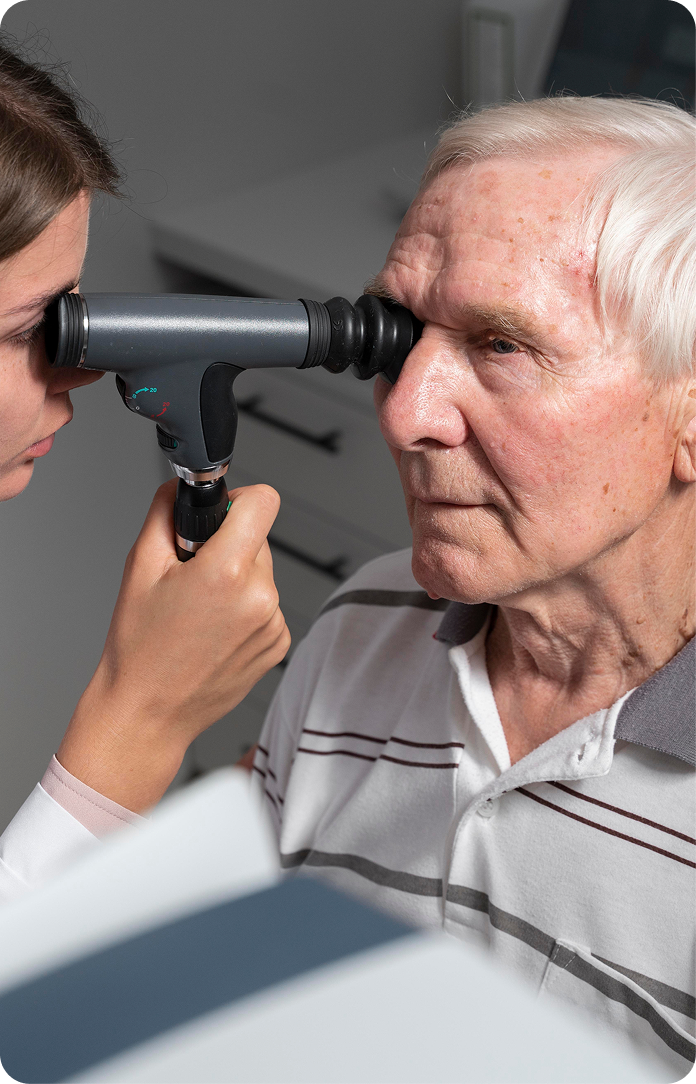

Anterior Segment and Trauma
Advanced Anterior Segment Surgery
The anterior segment includes the front structures of the eye, including the cornea, iris, lens, and anterior chamber. When these structures are affected by trauma, prior surgery, scarring, or complex anatomy, treatment may require advanced surgical techniques.
Anterior segment surgery may be needed when a patient has conditions that go beyond routine cataract care, including lens instability, iris damage, traumatic cataracts, or complications from prior procedures.
Iris Repair and Reconstruction
The iris helps control how much light enters the eye. Iris damage may occur because of trauma, prior surgery, or anatomical issues. In some patients, iris defects can cause glare, light sensitivity, visual disturbances, or cosmetic concerns.
Iris repair or reconstruction may be used to improve function, reduce symptoms, and restore better structural support when appropriate.
Traumatic Eye Reconstruction
- Iris repair
- Traumatic cataract surgery
- Anterior segment reconstruction
- Lens instability repair
- Structural repair after injury
- Surgery in complex post-traumatic eyes
- Surgery in complex post-surgical anatomy
Retina-Supportive Surgery
Surgical Planning for Eyes with Retina Conditions
Some patients need cataract, lens, glaucoma, or anterior segment surgery while also managing retina-related conditions. These may include macular degeneration, diabetic eye disease, prior retinal detachment, previous vitrectomy, silicone oil history, or prior retina surgery.
In these cases, surgical planning must account for the full eye — not just the cataract, lens implant, or front structures.
Because Dr. Tokuhara is retina fellowship-trained, Desert Vision Surgery brings added insight to surgical procedures in eyes with retina-related concerns.
Cataract Surgery After Retina Surgery
Cataract surgery after vitrectomy, retinal detachment repair, silicone oil placement, or other retina procedures may be more complex than routine cataract surgery. Prior retina surgery can affect the eye’s structure, stability, and surgical behavior.
These cases require thoughtful planning and a clear understanding of how previous retina procedures may affect cataract surgery and recovery.
Supporting Long-Term Eye Health
- Cataract surgery after vitrectomy
- Cataract surgery after retinal detachment repair
- Cataract surgery with silicone oil history
- Cataract surgery with macular degeneration
- Cataract surgery with diabetic eye disease
- Lens repair in previously operated eyes
- Surgery in eyes with multiple prior procedures

Why Choose Desert Vision Surgery?
Physician-Led Surgical Care
Desert Vision Surgery is led by Dr. Keith Tokuhara, a board-certified ophthalmologist, cataract surgeon, and retina fellowship-trained eye specialist. His background helps guide the center’s approach to complex cataract surgery, lens repair, glaucoma procedures, anterior segment surgery, and trauma-related reconstruction.
Built for Complex Cases
Our surgical center is designed for patients whose needs go beyond routine care. This includes patients with complex cataracts, prior eye surgery, unstable lens implants, glaucoma, trauma, retina conditions, or complicated anatomy.
Ethical, Patient-First Recommendations
Patients receive clear explanations and recommendations based on medical need, anatomy, risk factors, visual goals, and long-term eye health. Surgery should be recommended because it is appropriate for the patient — not because of pressure or a one-size-fits-all process.
A Trusted Resource for Referring Physicians
Desert Vision Surgery provides referring doctors with a specialized destination for advanced surgical cases that may require focused expertise, surgical planning, and physician-led communication.
For Patients and Referring Physicians
Request an Evaluation
If you have been told your cataract surgery may be complex, have had prior eye surgery, are dealing with a dislocated lens implant, or need evaluation for an advanced eye condition, Desert Vision Surgery can help you understand your options.
Our team will review your condition, explain what may be involved, and help determine whether advanced surgical care is appropriate.
Refer a Complex Case
Physicians may refer patients who need complex cataract surgery, IOL revision, secondary lens placement, glaucoma procedures, anterior segment surgery, traumatic eye reconstruction, or surgery in a previously operated eye.
We welcome complex referrals from Rancho Mirage, Palm Desert, Palm Springs, the greater Coachella Valley, and across Southern California.
Frequently Asked Questions About Complex Cataract Surgery
What types of eye surgery does Desert Vision Surgery provide?
Complex cataract surgery is cataract surgery performed in an eye with added risk factors, such as prior surgery, trauma, glaucoma, weak lens support, retina disease, or other anatomical challenges.
What is complex cataract surgery?
Complex cataract surgery is cataract surgery performed in an eye with added risk factors, such as prior surgery, trauma, glaucoma, weak lens support, retina disease, or other anatomical challenges.
What is IOL revision?
Complex cataract surgery is cataract surgery performed in an eye with added risk factors, such as prior surgery, trauma, glaucoma, weak lens support, retina disease, or other anatomical challenges.
What is secondary lens surgery?
Complex cataract surgery is cataract surgery performed in an eye with added risk factors, such as prior surgery, trauma, glaucoma, weak lens support, retina disease, or other anatomical challenges.
Can glaucoma procedures be performed with cataract surgery?
Complex cataract surgery is cataract surgery performed in an eye with added risk factors, such as prior surgery, trauma, glaucoma, weak lens support, retina disease, or other anatomical challenges.
What is retina-supportive surgery?
Complex cataract surgery is cataract surgery performed in an eye with added risk factors, such as prior surgery, trauma, glaucoma, weak lens support, retina disease, or other anatomical challenges.
Can another doctor refer a patient to Desert Vision Surgery?
Complex cataract surgery is cataract surgery performed in an eye with added risk factors, such as prior surgery, trauma, glaucoma, weak lens support, retina disease, or other anatomical challenges.

35900 Bob Hope Dr.,
Suite 155
Rancho Mirage, CA 92270
Fax: (760) 568-2490
Opening Fall 2026
Desert Vision Surgery is currently under development and will begin welcoming patients soon