

Glaucoma Procedures

Glaucoma Support for Cataract Surgery Patients
For some cataract surgery patients, glaucoma is an important part of the surgical plan. Desert Vision Surgery provides selected glaucoma procedures for patients who are already undergoing cataract surgery and may benefit from additional eye pressure management at the same time.
Glaucoma treatment is highly individualized. The right approach depends on the patient’s eye pressure, optic nerve health, medication use, cataract severity, anatomy, and long-term risk of vision loss.
Led by Dr. Keith Tokuhara, Desert Vision Surgery focuses on careful, physician-led planning for cataract patients who may also need minimally invasive glaucoma surgery, Ahmed valve implantation, or other combined cataract-glaucoma procedure.
Understanding Glaucoma and Cataract Surgery
When Eye Pressure Matters During Cataract Care
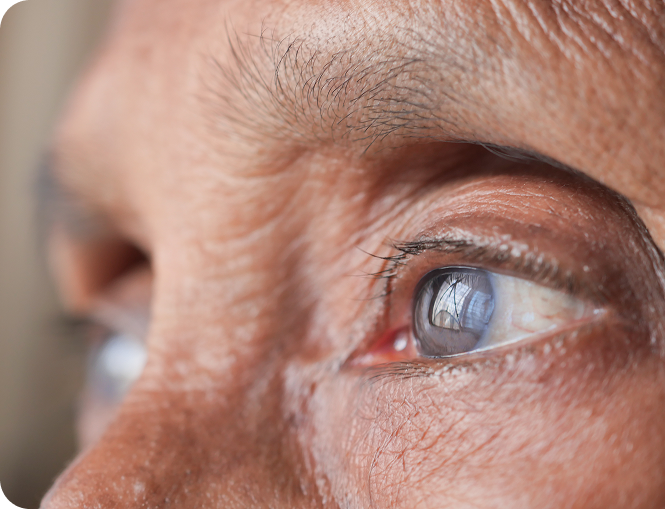
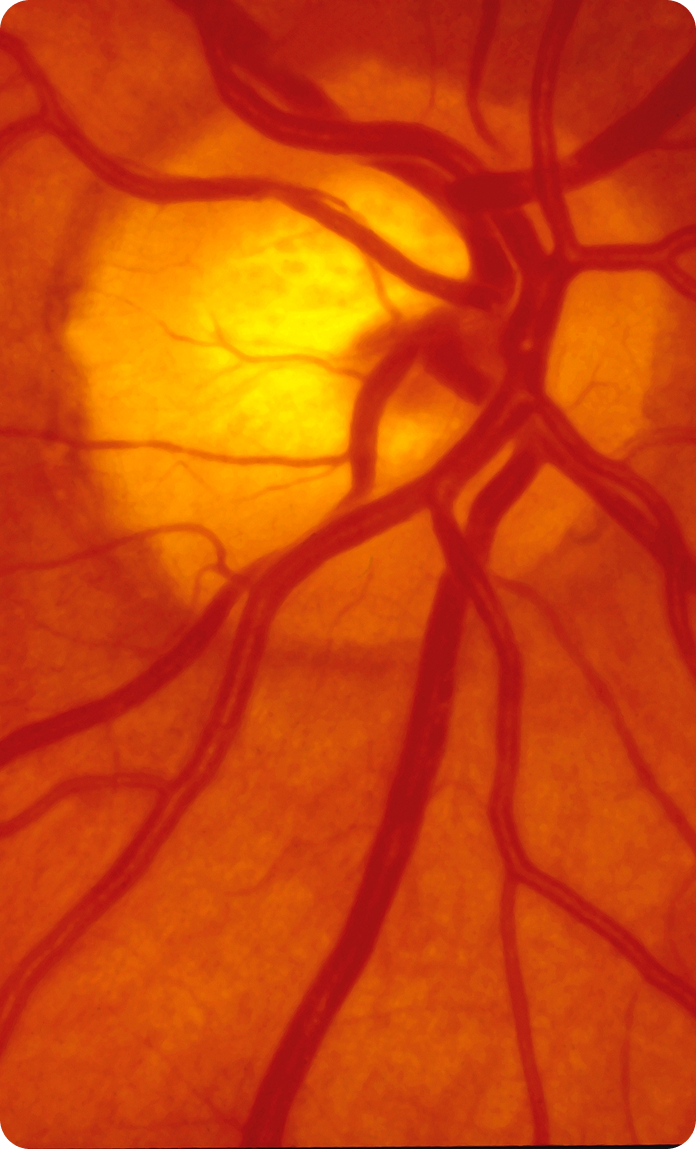
Glaucoma is a group of eye conditions that can damage the optic nerve, often related to elevated eye pressure. Because glaucoma-related vision loss can be permanent, treatment focuses on lowering eye pressure and reducing the risk of further damage.
Many patients with cataracts also have glaucoma or elevated eye pressure. In some cases, cataract surgery may create an opportunity to address both conditions as part of one surgical plan.

When a Glaucoma Procedure May Be Considered
A Personalized Approach for Cataract Patients
A glaucoma procedure may be considered when a cataract surgery patient also needs help managing eye pressure. The decision depends on the patient’s diagnosis, glaucoma severity, current medications, eye anatomy, and long-term treatment goals.
Patients may be evaluated for a glaucoma procedure if they have:
- Cataracts and glaucoma
- Elevated eye pressure
- Difficulty tolerating glaucoma drops
- Multiple glaucoma medications
- Mild to moderate glaucoma that may be appropriate for MIGS
- More complex glaucoma requiring stronger pressure control
- A need for combined cataract-glaucoma surgery
- Prior eye surgery or complex eye anatomy
Not every cataract patient with glaucoma needs a glaucoma procedure. Dr. Tokuhara evaluates each case carefully and recommends surgery only when it fits the patient’s eye health and treatment goals.
Minimally Invasive Glaucoma Surgery
MIGS for Appropriate Cataract Surgery Patients
Minimally invasive glaucoma surgery, often called MIGS, includes a group of procedures designed to help improve fluid drainage from the eye and lower eye pressure through a less invasive surgical approach than traditional glaucoma surgery.
For appropriate patients, MIGS may be performed during cataract surgery. This may help support better eye pressure control and, in some cases, reduce dependence on glaucoma drops.
MIGS may be considered for cataract patients with mild to moderate glaucoma, depending on their anatomy, eye pressure, optic nerve health, and medication needs. The goal is to create a surgical plan that addresses the cataract while also supporting long-term glaucoma management.
Ahmed Valve Implantation
Advanced Glaucoma Support When More Pressure Control Is Needed
Ahmed valve implantation is a glaucoma drainage device procedure used to help lower eye pressure in patients who need more significant pressure control. The device helps fluid leave the eye more effectively, reducing pressure and helping protect the optic nerve.
For cataract surgery patients with more advanced or complex glaucoma, Ahmed valve implantation may be considered when a stronger pressure-lowering approach is needed.
This procedure requires careful planning and follow-up. Dr. Tokuhara evaluates whether an Ahmed valve is appropriate based on the patient’s pressure goals, glaucoma severity, anatomy, prior surgery, and overall eye health.
Combined Cataract-Glaucoma Surgery
Addressing Cataracts and Glaucoma in One Surgical Plan
Some patients have both a visually significant cataract and glaucoma that requires additional pressure management. In appropriate cases, cataract surgery and a glaucoma procedure may be performed as part of the same surgical plan.
Combined cataract-glaucoma surgery may help improve vision affected by cataracts while also supporting better eye pressure control. This approach may be considered when it can reduce the need for separate procedures and create a more efficient treatment path.
The best procedure depends on the patient’s condition. Some patients may be candidates for cataract surgery with MIGS. Others with more advanced pressure needs may require a different glaucoma procedure, such as Ahmed valve implantation.
Surgical Planning for Cataract Patients with Glaucoma
Every Eye Pressure Plan Is Different
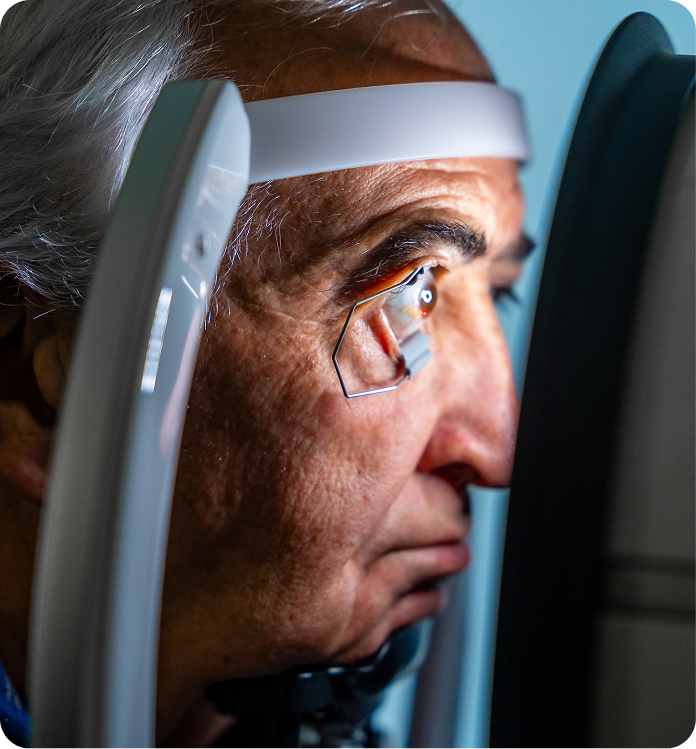
Glaucoma surgery must be planned carefully because the goal is not only to lower eye pressure. The goal is to protect the optic nerve and support long-term vision.
Before recommending a glaucoma procedure with cataract surgery, Dr. Tokuhara evaluates:
- Current eye pressure
- Optic nerve health
- Visual field history
- Glaucoma severity
- Current glaucoma medications
- Cataract severity
- Eye anatomy
- Prior eye surgery
- Long-term pressure goals
This planning helps determine whether a glaucoma procedure should be performed, what type of procedure may be appropriate, and what the patient should expect after surgery.
Why Choose Desert Vision Surgery?
Physician-Led Cataract and Glaucoma Surgical Planning
Desert Vision Surgery provides a careful, patient-centered approach for cataract patients who may also need glaucoma support. Each recommendation is based on the patient’s diagnosis, anatomy, eye pressure goals, cataract status, and long-term risk of vision loss.
Patients and referring doctors choose Desert Vision Surgery for:
- Physician-led surgical planning
- Cataract surgery with glaucoma procedure options when appropriate
- MIGS for selected cataract patients
- Ahmed valve implantation when stronger pressure control is needed
- Experience with complex eye cases
Ethical, patient-first recommendations - Clear discussion of risks, benefits, and alternatives
- Coordination with referring providers when appropriate
For Referring Physicians
Referrals for Cataract Patients with Glaucoma
Desert Vision Surgery welcomes referrals from optometrists, ophthalmologists, glaucoma specialists, and other providers for cataract patients who may need glaucoma procedure evaluation as part of their surgical planning.
Appropriate referrals may include cataract patients with glaucoma, elevated eye pressure, MIGS candidacy, need for combined cataract-glaucoma surgery, medication intolerance, complex glaucoma requiring surgical evaluation, or possible Ahmed valve implantation.
Schedule a Cataract and Glaucoma Surgery Consultation
If you have cataracts and glaucoma, elevated eye pressure, or have been told you may benefit from a combined cataract-glaucoma procedure, Desert Vision Surgery can help evaluate your options.
Frequently Asked Questions About Glaucoma Procedures
Does Desert Vision Surgery treat glaucoma by itself?
Desert Vision Surgery provides selected glaucoma procedures for patients undergoing cataract surgery. It is not a standalone glaucoma clinic.
What is MIGS?
MIGS stands for minimally invasive glaucoma surgery. It includes procedures designed to help lower eye pressure through a less invasive approach than traditional glaucoma surgery. MIGS may be considered for appropriate cataract surgery patients with glaucoma.
What is Ahmed valve implantation?
Ahmed valve implantation is a glaucoma drainage device procedure that helps fluid leave the eye more effectively. It may be considered for patients who need stronger pressure control.
Can glaucoma surgery be performed with cataract surgery?
Yes. In some patients, cataract surgery and a glaucoma procedure may be performed as part of one surgical plan when it fits the patient’s diagnosis, anatomy, and pressure goals.
Who may be a candidate for MIGS with cataract surgery?
MIGS may be considered for certain cataract patients with mild to moderate glaucoma. Candidacy depends on glaucoma severity, anatomy, eye pressure, optic nerve health, and treatment goals.
Does glaucoma surgery cure glaucoma?
No. Glaucoma surgery does not cure glaucoma. The goal is to lower eye pressure and reduce the risk of further optic nerve damage.
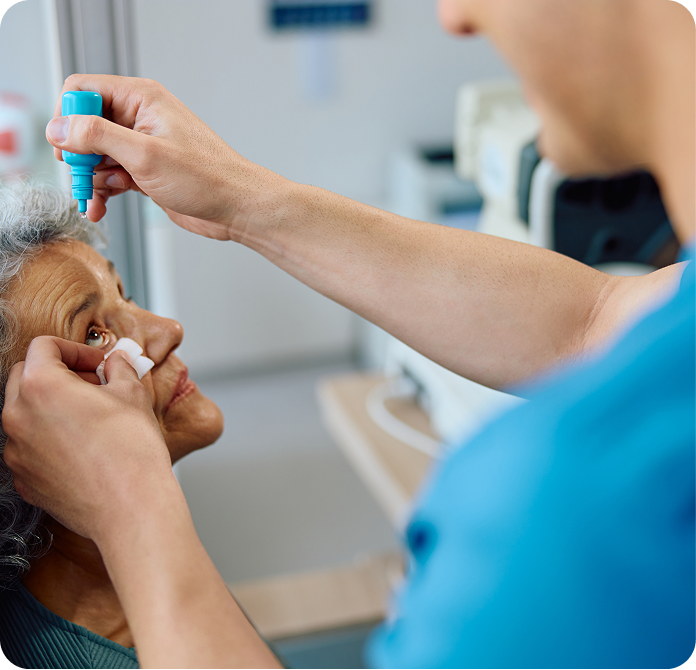
Will I still need glaucoma drops after surgery?
Some patients may still need glaucoma drops after surgery. The need for medication depends on the procedure, pressure response, glaucoma severity, and long-term treatment goals.

35900 Bob Hope Dr.,
Suite 155
Rancho Mirage, CA 92270
Fax: (760) 568-2490
Opening Fall 2026
Desert Vision Surgery is currently under development and will begin welcoming patients soon