

Anterior Segment Trauma


Advanced Surgical Care for Complex Front-of-Eye Injuries and Conditions
Desert Vision Surgery provides advanced treatment of anterior segment trauma for patients with eye injuries, structural damage, iris abnormalities, traumatic lens problems, or complex post-surgical anatomy.
The anterior segment includes the front structures of the eye, including the cornea, iris, pupil, lens, and anterior chamber. These structures play an important role in focusing light, controlling how much light enters the eye, maintaining eye pressure, and supporting clear vision.
When the front of the eye is damaged by trauma, prior surgery, inflammation, or anatomical complications, treatment may require specialized surgical planning. Led by Dr. Keith Tokuhara, Desert Vision Surgery offers physician-led care for patients whose conditions require precision, experience, and a careful understanding of the full eye.
What Is the Anterior Segment?
Understanding the Front Structures of the Eye
The anterior segment refers to the front portion of the eye. It includes the cornea, iris, pupil, lens, and anterior chamber.
When these structures are healthy and stable, they help light enter and focus properly. When they are injured or irregular, patients may experience blurry vision, glare, light sensitivity, distorted vision, discomfort, abnormal pupil shape, or reduced visual function.
Anterior segment surgery may be needed when the eye’s structure has been affected by trauma, cataract complications, lens instability, iris damage, or prior surgery.

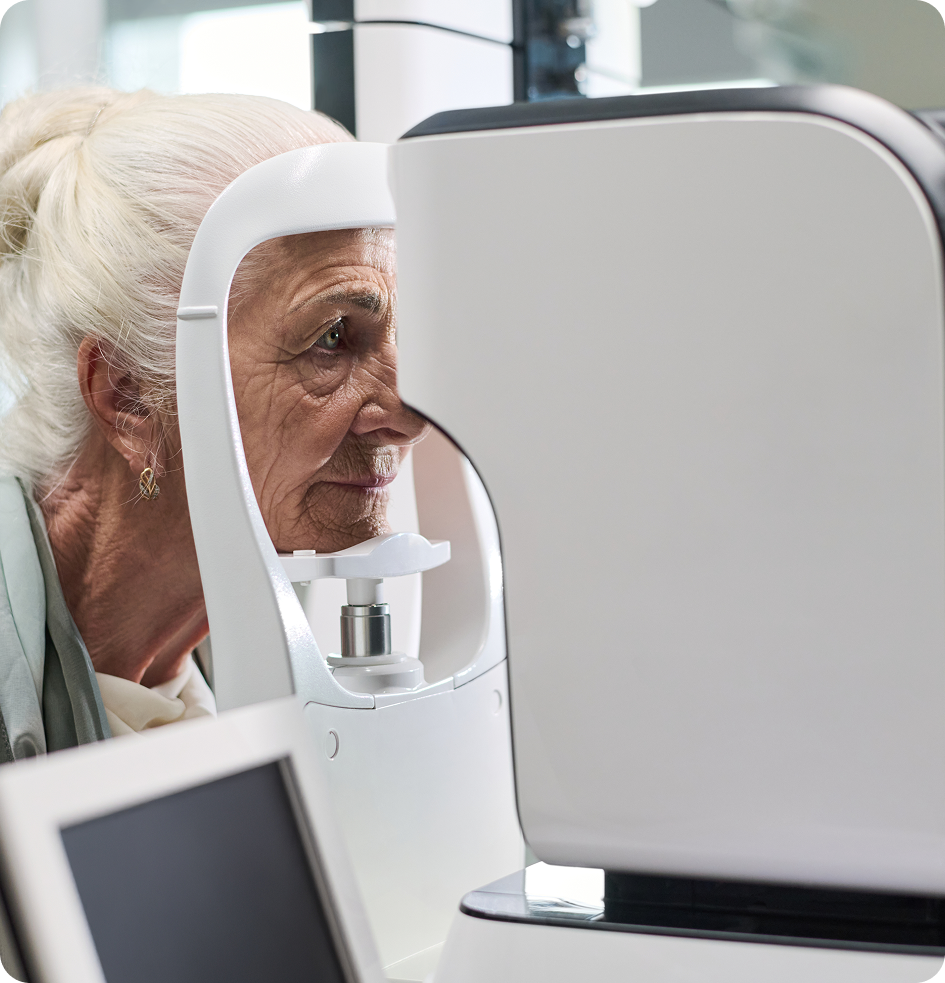
When Anterior Segment or Trauma Surgery May Be Needed
Repairing Structure, Stability, and Function
Anterior segment and trauma procedures may be considered when damage to the front of the eye affects vision, comfort, appearance, or long-term eye health.
Patients may need evaluation for:
- Iris damage
- Irregular pupil shape
- Light sensitivity or glare caused by iris defects
- Traumatic lens injury
- Traumatic cataract
- Lens instability after injury
- Ruptured globe
- Scarring after ocular trauma
- Structural damage after prior surgery or injury
- Reconstruction after ocular injury
Every trauma case is different. The surgical plan depends on the type of injury, the structures involved, the stability of the eye, the condition of the lens and retina, and the patient’s long-term visual goals.
Iris Repair
Restoring Iris Structure and Reducing Visual Symptoms
The iris is the colored part of the eye that helps control how much light enters through the pupil. When the iris is damaged by trauma, prior surgery, or structural abnormalities, patients may experience glare, light sensitivity, abnormal pupil shape, visual disturbance, or cosmetic concerns.
Iris repair may be considered when the damaged iris tissue can be reconstructed, stabilized, or repositioned to improve function and comfort.
The goal of iris repair is to support a more stable pupil, reduce visual symptoms when possible, and improve the overall structure of the front of the eye.
Iridoplasty
Reshaping or Reconstructing the Iris
Iridoplasty refers to surgical techniques used to reshape, reposition, or reconstruct part of the iris. It may be appropriate when the iris has been pulled out of position, damaged, distorted, or left with an irregular pupil shape.
Patients who may benefit from iridoplasty may have symptoms such as glare, light sensitivity, visual distortion, or discomfort caused by an abnormal pupil or iris defect.
The procedure is planned based on the patient’s anatomy, the extent of iris damage, and whether other eye structures, such as the lens or cornea, are also involved.

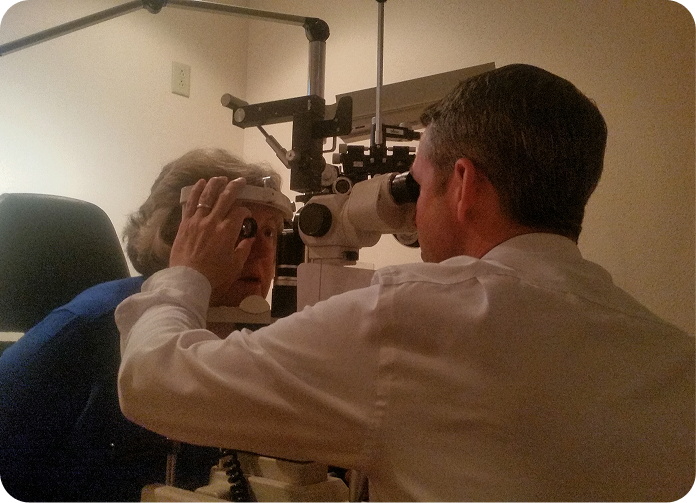

Traumatic Lens Injury Management
Treating Lens Damage After Eye Injury
Eye trauma can damage the natural lens or the support structures that hold the lens in place. This may lead to a traumatic cataract, lens instability, lens subluxation, lens dislocation, inflammation, or significant vision changes.
Traumatic lens injury management may involve cataract removal, lens stabilization, secondary lens placement, or other advanced techniques depending on the severity of the injury.
These cases require careful planning because trauma can affect more than one part of the eye. The lens, iris, cornea, retina, and internal support tissues may all need to be considered before surgery.
Ruptured Globe Repair
Urgent Surgical Repair After Severe Eye Injury
A ruptured globe is a serious injury involving an open wound in the wall of the eye. This is a medical emergency and requires urgent evaluation.
Ruptured globe repair focuses first on closing and stabilizing the eye, reducing the risk of infection, protecting remaining vision, and preserving the structure of the eye when possible.
Visual recovery depends on the severity and location of the injury. Some patients may need additional procedures after the initial repair, especially if the injury also affects the lens, iris, retina, or other internal structures.
If you suspect a ruptured globe or severe eye injury, seek emergency medical care immediately.
Reconstruction After Ocular Injury
A Retina-Informed Approach to Cataract Surgery
After a serious eye injury, patients may need reconstructive surgery to address damage to the iris, lens, cornea, anterior chamber, or other eye structures.
Reconstruction after ocular injury may involve one procedure or a staged plan, depending on the severity of the trauma. The goal is to restore stability, improve comfort, preserve or improve vision when possible, and support long-term eye health.
Reconstructive care may include iris repair, traumatic cataract surgery, lens repair, secondary lens placement, anterior segment reconstruction, scar tissue management, or coordination with retina specialists when the back of the eye is involved.
Why Trauma Cases Require Advanced Planning
Every Injury Is Different
No two eye injuries are exactly alike. Trauma can affect multiple structures at the same time, including the cornea, iris, lens, retina, eye pressure system, and internal support tissues.
Patients may need evaluation for:
- Location and severity of injury
- Corneal clarity
- Iris structure
- Pupil function
- Lens stability
- Retina status
- Eye pressure
- Prior repairs or surgeries
- Visual potential and patient goals
In trauma cases, honest expectations are important. Some procedures may focus on improving vision. Others may focus first on restoring structure, comfort, or stability. The right plan depends on the patient’s specific injury.
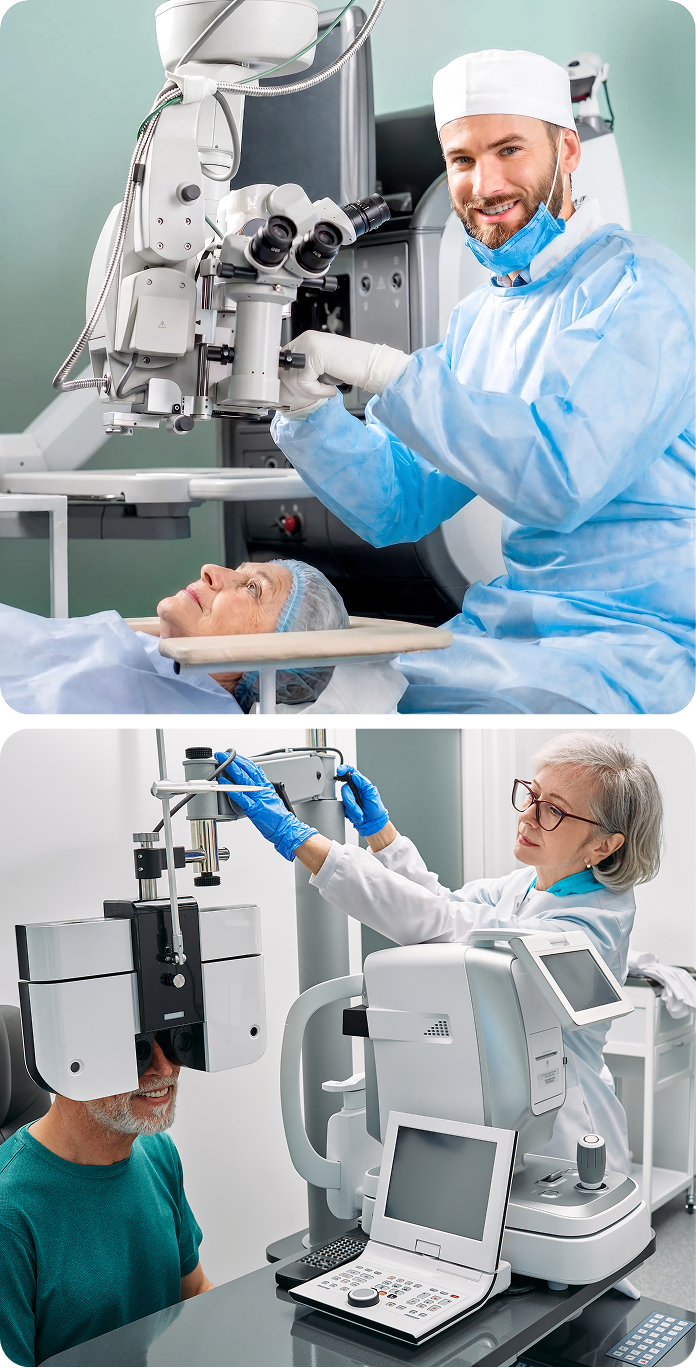
Why Choose Desert Vision Surgery?
Built for Complex Anterior Segment and Trauma Care
Desert Vision Surgery is designed for advanced ophthalmic procedures involving complex cataract surgery, lens instability, iris repair, traumatic cataracts, and reconstruction after ocular injury.
Patients and referring doctors choose Desert Vision Surgery for:
- Physician-led surgical planning
- Experience with complex eye anatomy
- Retina-informed perspective
- Advanced ophthalmic surgical environment
- Careful evaluation of risks and options
- Ethical, patient-first recommendations
- Coordination with referring doctors when appropriate
The goal is to provide a thoughtful surgical plan based on the patient’s anatomy, injury, symptoms, and long-term eye health.
For Referring Physicians
A Trusted Destination for Complex Anterior Segment and Trauma Referrals
Desert Vision Surgery welcomes referrals from ophthalmologists, optometrists, retina specialists, emergency physicians, urgent care providers, and other healthcare professionals for patients who may need anterior segment or trauma-related evaluation.
Appropriate referrals may include patients with iris damage, irregular pupils, traumatic cataracts, traumatic lens instability, ruptured globe injuries, prior ocular trauma, or complex post-surgical anatomy.
Schedule an Anterior Segment or Trauma Evaluation
If you have experienced an eye injury, have been told you need iris repair, have a traumatic cataract, or need evaluation for reconstruction after ocular trauma, Desert Vision Surgery can help assess your options.
For severe or sudden eye injury, seek emergency medical care immediately.
Frequently Asked Questions About Anterior Segment and Trauma Surgery
What is anterior segment surgery?
Anterior segment surgery involves the front structures of the eye, including the cornea, iris, pupil, lens, and anterior chamber.
What is iris repair?
What is iridoplasty?
What is a traumatic cataract?
What is a ruptured globe?
Can vision be restored after an eye injury?
Can another doctor refer a patient for anterior segment or trauma care?

35900 Bob Hope Dr.,
Suite 155
Rancho Mirage, CA 92270
Fax: (760) 568-2490
Opening Fall 2026
Desert Vision Surgery is currently under development and will begin welcoming patients soon